When a DIY approach can help
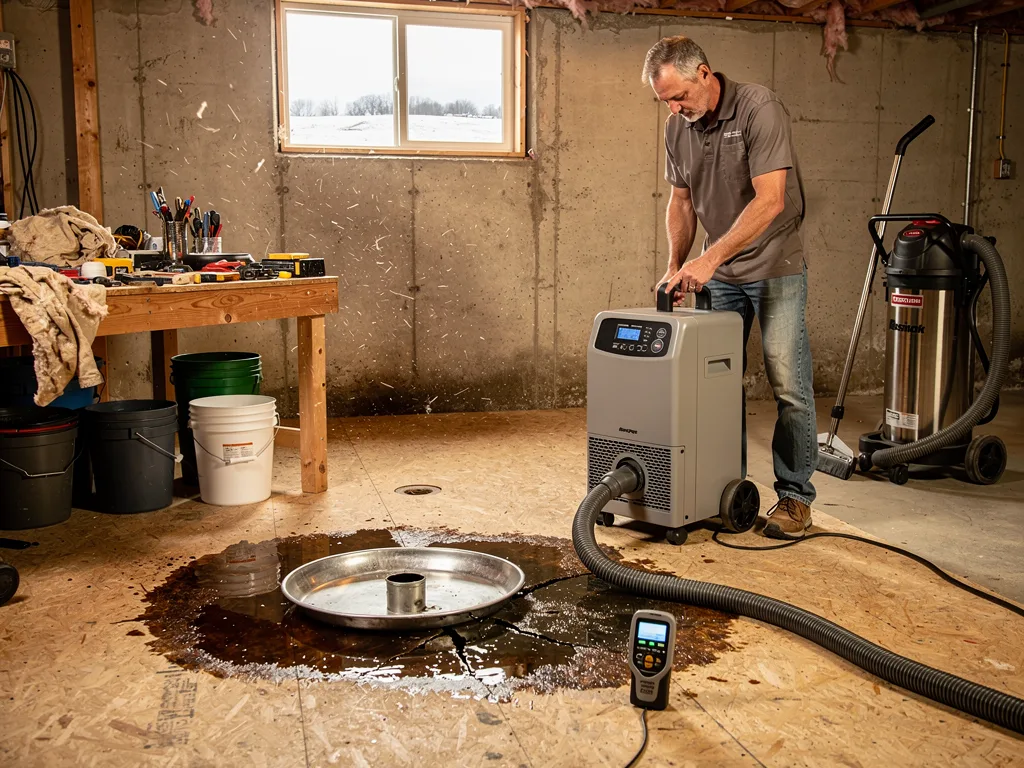
For small, contained incidents like a minor roof leak after a storm or a slow drip in an upstairs bathroom, a homeowner can often manage initial steps. Containing the area, turning off the water supply to the affected fixture if safe, and drying surfaces with towels or a portable dehumidifier can reduce immediate damage. The key is to limit spread and monitor the area for a day or two. If you can confirm the source and stop the flow without sluicing water across more surfaces, you have a window to act without a full restoration process.
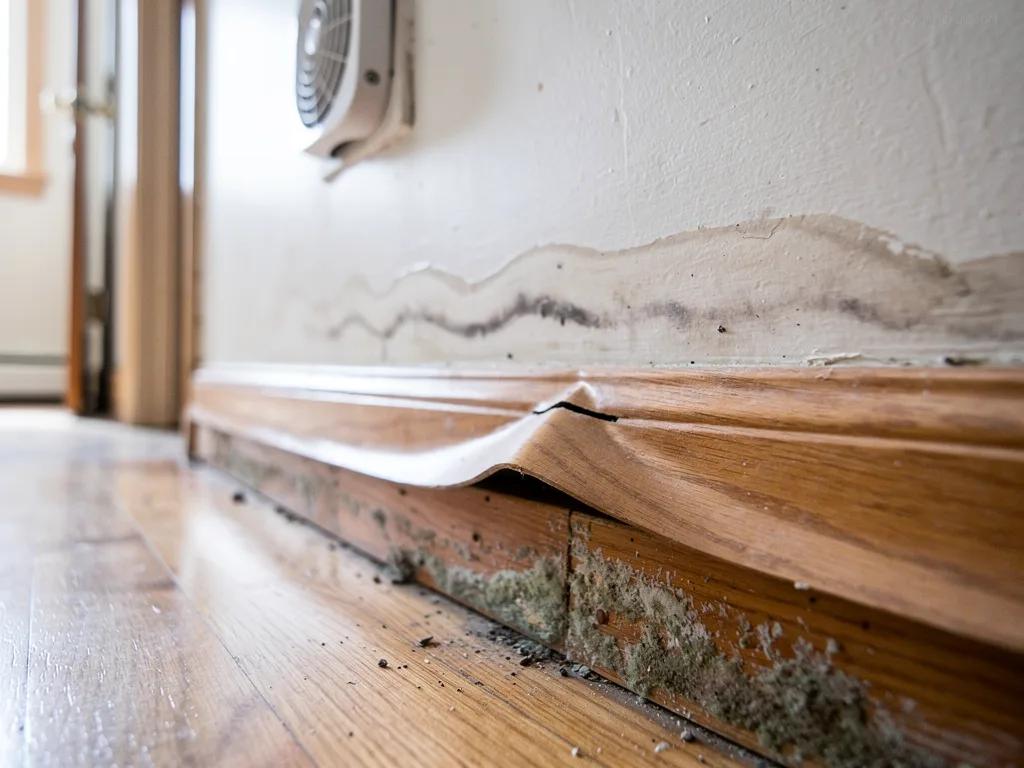
In these cases you may want to bring in a restoration specialist for a careful follow-up inspection. A pro can use moisture meters and infrared scanning to verify there’s no hidden spread behind walls or under flooring. Early checks prevent later problems that show up as odor, staining, or warped materials.
When to call a pro right away
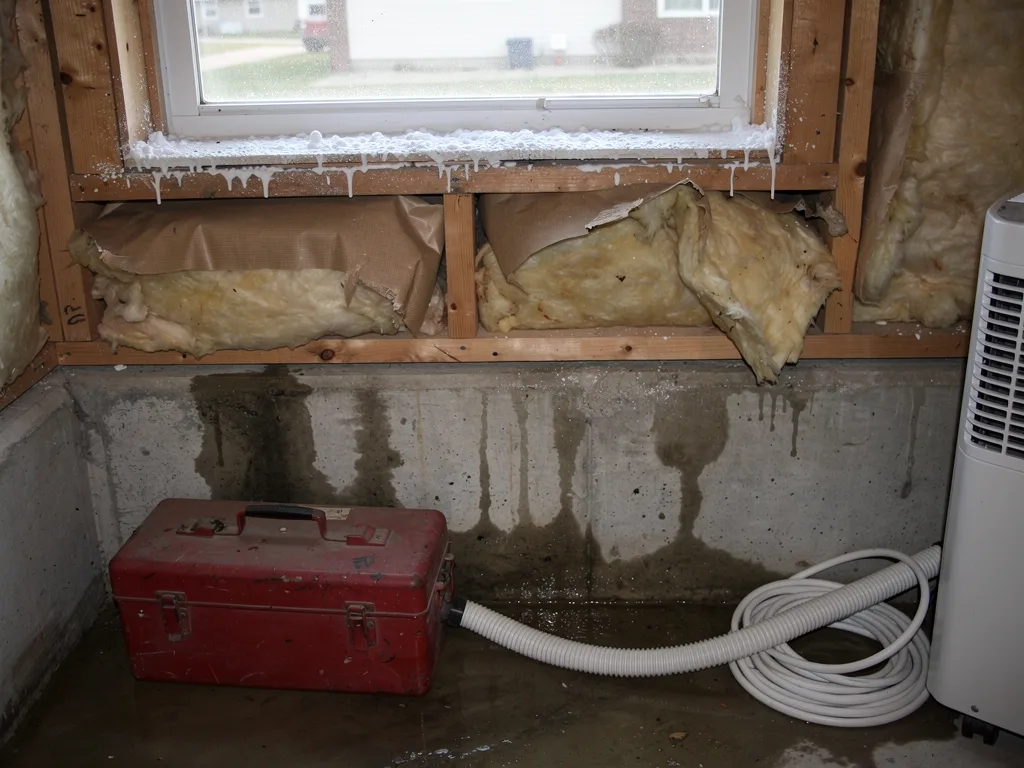
If water has traveled beyond the obvious spot, call for a professional assessment. North Dakota Water Damage Experts can dispatch crews across North Dakota to assess quickly. A pro will isolate moisture, map the affected zones, and determine a drying plan that protects your home’s structure. They’ll explain the steps needed to reach a thorough dry state and reduce the chance of mold growth. A prompt assessment is especially important after storms, rapid temperature swings, or seasonal thaw cycles common in North Dakota.
What you’ll get from a restoration specialist is a clear explanation of what happened, what needs attention, and a practical timetable. There’s no guesswork, just a plan that fits your home and your budget.
What you can do while you wait
Keep indoor temperatures stable, use fans to help air movement, and limit the use of rooms with visible moisture. Don’t attempt major demolition or removal of materials yourself. Improper handling can spread contaminants or compromise structure. When in doubt, schedule an on-site assessment with a restoration specialist who serves North Dakota statewide.